
Less room for food doesn't mean smaller nutrient needs — how to eat well when every meal has to work harder.
Pillar:
Eat
6 min read
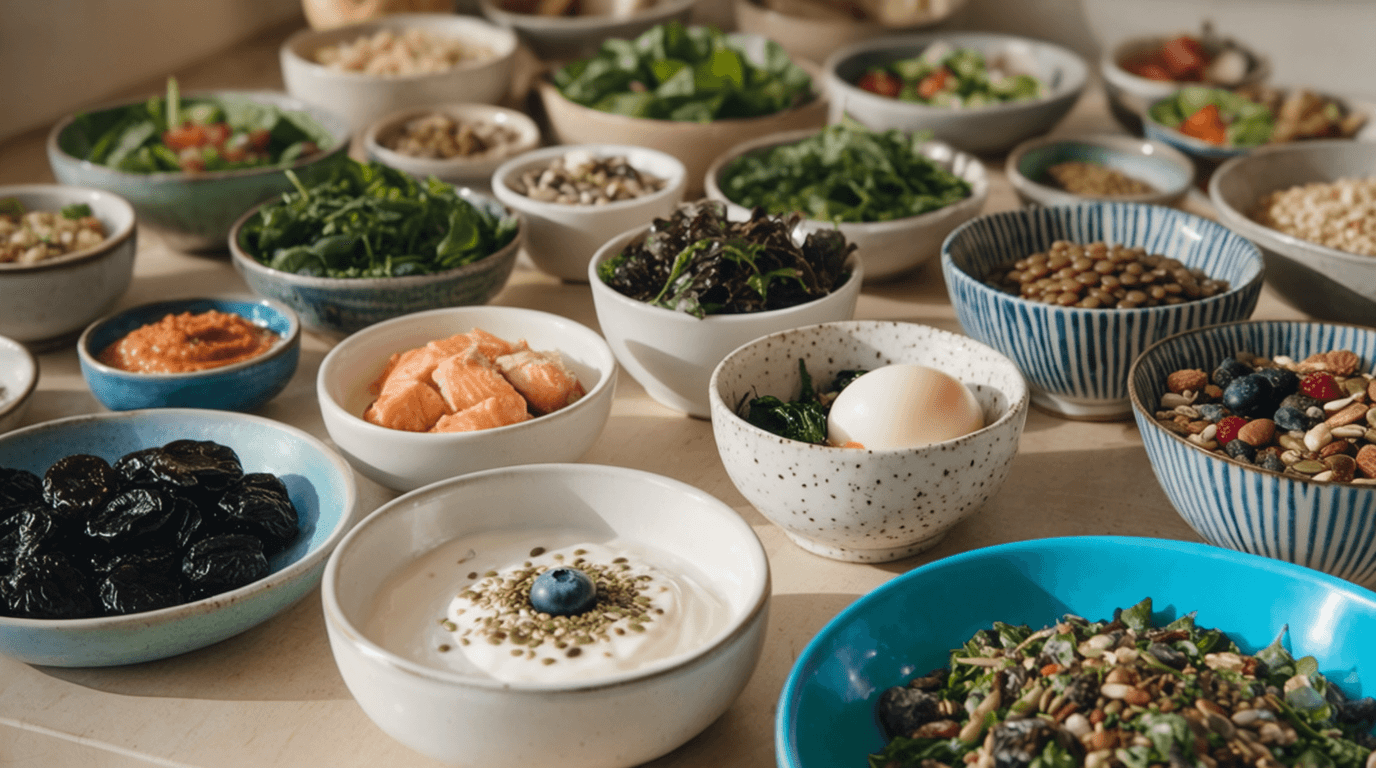
One of the biggest adjustments people describe after starting a GLP-1 medication isn’t what they eat, it’s how much less they want to eat. That smaller appetite is the whole point of the medication, but it does mean your approach to food needs a bit of rethinking. Less room for food doesn’t mean your nutrient needs have shrunk to match, if anything, every meal needs to work a little harder than it used to.
Make Every Bite Count
With a reduced capacity for food, each meal has to work harder nutritionally. This is the moment to lean towards protein, fibre, and micronutrient-rich whole foods, and away from anything that takes up stomach space without offering much in return, think refined snacks, sugary drinks, or large portions of low-nutrient carbohydrates. It’s less about restriction and more about making deliberate choices when your margin for error is smaller than it used to be.
Smaller, More Frequent Meals Can Help
Because GLP-1 medications slow down how quickly the stomach empties, some people find three or four smaller meals and snacks sit more comfortably than three large ones. There’s no single right structure here, it’s worth experimenting to find what your body tolerates well and what still lets you meet your daily protein and energy needs. Some people naturally gravitate towards two larger meals and a snack, others prefer four or five smaller ones, both can work equally well.
A Sample Day, as an Illustration
To make this more concrete: breakfast might be Greek yoghurt with berries and a sprinkle of nuts, lunch a small bowl of lentil soup with a boiled egg, an afternoon snack of cottage cheese or a protein shake if appetite allows, and dinner a modest portion of grilled fish or chicken with vegetables. None of this needs to be elaborate, the goal is simply to make sure protein, fibre, and a reasonable spread of nutrients show up somewhere across the day, even when the total volume of food is noticeably less than before.
Watch Out for Under-Eating
It’s genuinely possible for appetite suppression to go further than intended, leaving someone eating too little to properly fuel their body. This can show up as low energy, poor concentration, hair changes, or accelerated muscle loss. Eating less than you used to is expected and often the goal; skipping meals altogether or going long stretches without eating anything meaningful usually isn’t helpful, even on days when hunger barely registers. If you find yourself consistently eating very little, that’s worth mentioning to your prescriber rather than treating it as simply a sign the medication is working extra well.
Micronutrients Worth a Closer Look
When total food intake drops, certain nutrients are more likely to fall short even if you’re eating reasonably well: iron, vitamin B12, calcium, and vitamin D are worth keeping in mind, particularly if you’re eating less meat and dairy than before, or if your meals have become noticeably more repetitive. A varied diet across the week, rather than the same two or three meals on rotation, is a simple way to hedge against this. If you have any symptoms like unusual tiredness, pale skin, or brittle nails, it’s worth asking your doctor whether checking a few basic bloods makes sense.
Fibre and Hydration Still Matter
Fibre supports both fullness and digestion, and it becomes especially relevant given how common constipation is on these medications. Hydration deserves equal attention: eating less food naturally means less fluid from food too, and thirst cues can be easy to miss when your overall appetite is blunted. Sipping water steadily through the day, rather than relying on feeling thirsty, is a simple habit worth building.
Eating Out and Social Situations
A smaller appetite doesn’t have to mean opting out of meals with friends or family. Sharing a starter as a main, asking for a smaller portion or a take-home box in advance, or simply eating slowly and stopping when comfortably full rather than clearing the plate, all make social eating easier to navigate. Most of the discomfort people describe around this comes from feeling like they need to explain themselves, in practice, quietly eating less is rarely something anyone else notices or minds.
Reading Labels With a Different Goal in Mind
Where you might once have scanned a label for calories alone, it’s worth shifting your attention towards protein and fibre content per portion instead, since these are the two nutrients doing the most work for you nutritionally on a reduced overall intake. Two products with similar calories can differ substantially in how much protein or fibre they offer, and picking the higher one on those measures, rather than the lower-calorie one, tends to serve your goals better while you’re eating less overall.
Grocery Shopping With a Smaller Appetite
A smaller appetite often means less food waste is a genuine, practical concern, since portions that once disappeared easily may now sit in the fridge unfinished. Buying in smaller, more frequent shops rather than one large weekly one can help, as can leaning on the freezer for portioned proteins like chicken breasts or fish fillets you can defrost as needed, rather than large packs you feel obliged to use up quickly. Frozen vegetables and fruit are just as nutritious as fresh and remove the pressure of using them before they spoil, which matters more than it sounds when you’re eating less overall.
Batch Cooking and Meal Planning
On days when appetite and energy are both low, having something already prepared removes a real barrier to eating well. Batch cooking a protein-rich base, a pot of chilli, a tray of roasted chicken thighs, a batch of hard-boiled eggs, at the start of the week means a nutritious meal is never more than a few minutes away, even on a day when cooking from scratch feels like too much. This is a small habit but one that consistently makes the difference between eating well and reaching for whatever’s easiest, which isn’t always what serves you best nutritionally.
Simple, Ready-to-Go Snack Ideas
Having a handful of reliable, low-effort snacks on hand matters more on a smaller appetite, since you’re less likely to push through and cook something substantial if a wave of low hunger hits at an inconvenient time. A boiled egg, a small tub of cottage cheese, a handful of nuts with a piece of fruit, or pre-portioned hummus with vegetable sticks all deliver useful nutrition without requiring any preparation in the moment. Keeping two or three of these genuinely stocked and visible, rather than buried at the back of a cupboard, makes them far more likely to actually get eaten.
A Note on Alcohol
Some people find they’re more sensitive to alcohol on a GLP-1 medication, or that it worsens digestive side effects like nausea or reflux. It’s worth paying attention to how your body responds and adjusting accordingly, rather than assuming your usual tolerance still applies, particularly in the first few weeks after a dose increase.
It’s also worth giving yourself permission to eat imperfectly sometimes. A meal out that’s less balanced than your usual routine, a takeaway on a night when cooking feels impossible, or a treat you genuinely want, none of these undo the broader pattern you’re building, and treating one meal as a crisis tends to cause far more disruption than the meal itself ever could. Consistency over weeks and months is what matters, not perfection on any single day.
Eating well on a GLP-1 isn’t about a stricter diet, it’s about being more intentional with a smaller amount of food. Get the essentials right, protein, fibre, fluids, consistency, and the rest tends to take care of itself. Sparkery’s recipes are built around exactly this kind of practical, non-restrictive approach.
Tags:
Nutrition
GLP-1
Share it:
Every read, recipe and workout brings you one step closer to feeling better every day.