Why a nightcap works against good sleep, what alcohol actually does through the night, and how to unwind without paying for it later.
Pillar:
Sleep
5 min read

A drink in the evening feels like it helps you switch off, and in the short term it genuinely can. The trouble is what happens a few hours later, once the initial effect wears off — which is where most of alcohol’s real cost to your sleep actually lands, quietly, while you’re not paying attention to it.
Why a Nightcap Backfires.
Alcohol does make it easier to fall asleep initially, which is exactly why it feels like it’s helping. But that early effect masks a cost that shows up later in the night, once your body has processed most of it and the sedative effect fades.
The result is a night that starts off feeling relaxed and ends up more fragmented than it would have been without a drink — even if you don’t consciously remember waking up multiple times.
It’s a bit like borrowing from tomorrow to pay for tonight. The ease of falling asleep is real, but it’s not free — your body is simply deferring the cost to the second half of the night, when you’re least aware of what’s happening and least able to do anything about it.
What Alcohol Does to Your Night.
In the first half of the night, alcohol tends to suppress the deeper, more restorative stages of sleep. In the second half, as it clears your system, sleep becomes lighter and more easily disrupted, which is why people often wake earlier than planned after drinking, feeling less rested than the number of hours would suggest.
It’s genuinely a trade — a bit of extra ease falling asleep, paid back with a worse second half of the night. That trade tends to get worse with age, since alcohol affects sleep more noticeably as you get older.
This is also why people often wake at three or four in the morning after drinking, wide awake and unable to drift back off easily. That’s not bad luck or a coincidence — it’s a fairly predictable pattern of exactly when alcohol’s disruptive effects tend to peak.
The Rebound Effect.
This pattern is sometimes called the rebound effect, and it explains why a ‘good night’s sleep’ after drinking often doesn’t feel that way the next day. Your body is doing more processing overnight than usual, at the exact time it should be resting most deeply.
It’s also why a couple of drinks close to bedtime tend to cost more than the same amount earlier in the evening — the closer to sleep the alcohol is still active in your system, the more of that disruption lands during the hours that matter most.
Understanding this doesn’t mean treating every drink as a disaster. It just means being realistic about what a ‘nightcap’ is actually doing, rather than assuming it’s a harmless sleep aid — that distinction alone helps most people make better choices without needing to give anything up entirely.
It’s also worth noticing that the rebound effect tends to compound across a run of nights, not just a single one. A drink most evenings adds up to a cumulative sleep debt that a single Saturday night out never would, which is why frequency often matters more than any one occasion. Noticing that pattern honestly is usually the first useful step.
How Much Is Too Much.
There’s no single number that applies to everyone, since body size, tolerance and general health all play a part. But the general pattern holds even at moderate amounts — one or two drinks close to bedtime still measurably affects sleep quality for most people, even if it doesn’t feel that way at the time.
The clearest sign it’s affecting you is waking earlier than usual, or waking through the night more than normal, after drinking. That’s worth treating as useful feedback rather than bad luck.
It’s also worth noticing how your own body responds specifically, rather than relying on general guidance. Some people can have a glass of wine with dinner and sleep just fine; others notice a clear effect from the same amount. Your own pattern is the most useful information you have.
If You’re Going to Drink.
Timing makes a real difference. Finishing drinks a few hours before bed, rather than right up until you go to sleep, gives your body more of a chance to process the alcohol before the more disruptive second-half effects kick in.
Staying hydrated alongside it and eating something helps too, mainly because it softens some of the other next-day effects that get tangled up with poor sleep and make the whole thing feel worse than it needs to.
A glass of water alongside each drink is a simple habit that helps on two fronts — it slows down how quickly you’re drinking, and it reduces some of the dehydration that compounds poor sleep and next-day fatigue when alcohol is involved.
Eating beforehand rather than drinking on an empty stomach also slows how quickly alcohol reaches your system, which softens both the sedative dip early on and the more disruptive rebound later in the night.
Alternatives That Actually Help You Unwind
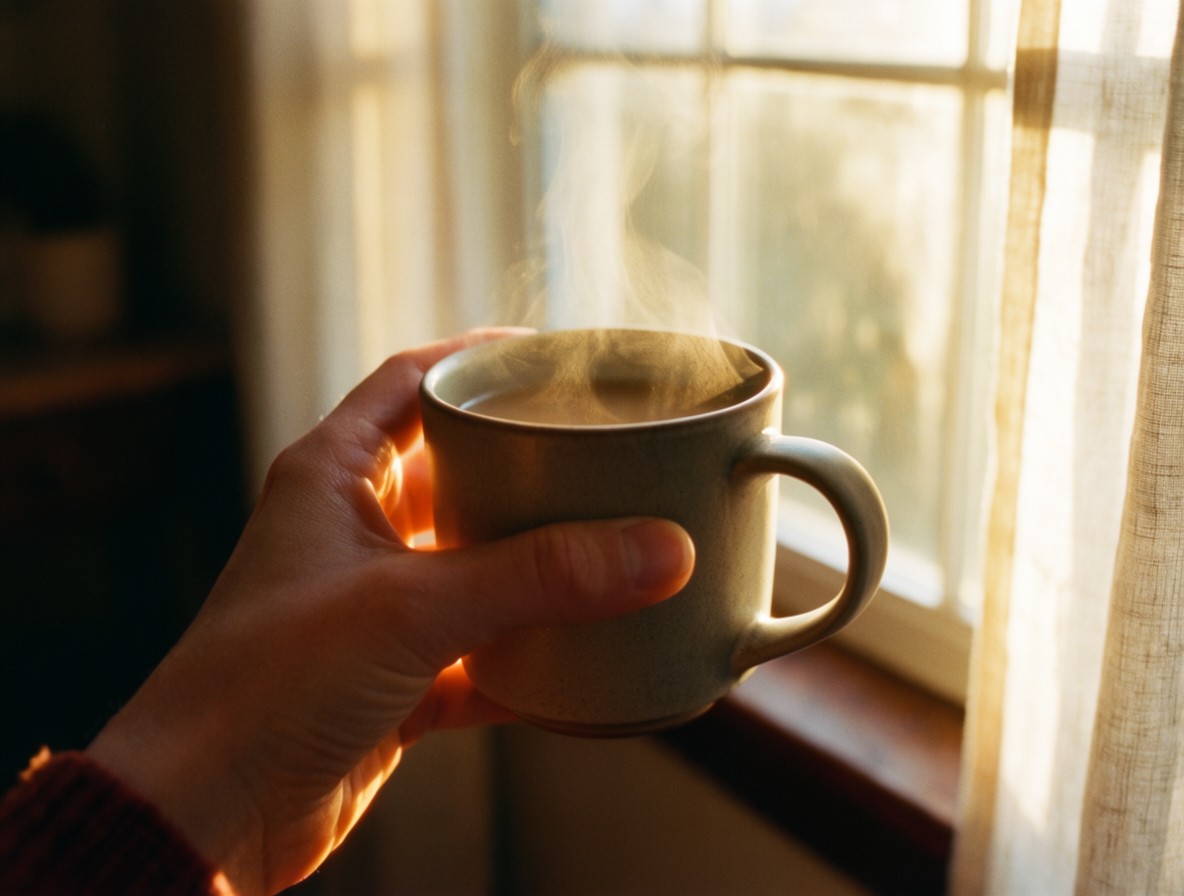
If the appeal of an evening drink is really about winding down rather than the drink itself, it’s worth trying something else that achieves the same feeling without the same cost — a warm, non-alcoholic drink, a short stretch, or simply a slower last hour of the evening away from screens and stimulation.
Most of what people actually want from a nightcap is the ritual of marking the end of the day, which a non-alcoholic version of the same habit delivers just as well, once you give it a fair try.
Herbal tea, a warm bath, or even just ten minutes of quiet reading can deliver the same ‘switching off’ signal that a drink provides, once your body learns to associate the new ritual with winding down. It usually takes a couple of weeks of consistency before it feels as automatic as the old habit did.
Building Better Evening Habits.
None of this means never having a drink in the evening — it’s about being aware of the trade-off and choosing deliberately rather than by habit. An occasional drink earlier in the evening costs far less than a nightly one right before bed.
If sleep quality matters more to you most weeks than an evening drink does, shifting the habit rather than cutting it out entirely tends to be the change that sticks.
The goal isn’t perfection — it’s awareness. Once you understand what alcohol is actually doing to your night, you’re in a much better position to decide, evening by evening, whether tonight’s drink is worth tomorrow’s slightly rougher sleep, rather than defaulting to habit without thinking about it.
Tags:
Article
Alcohol & Sleep
Share it:
Every read, recipe and workout brings you one step closer to feeling better every day.